Working With 13Sick (Part 1) – The Best Kept GP Telehealth Secret in Australia
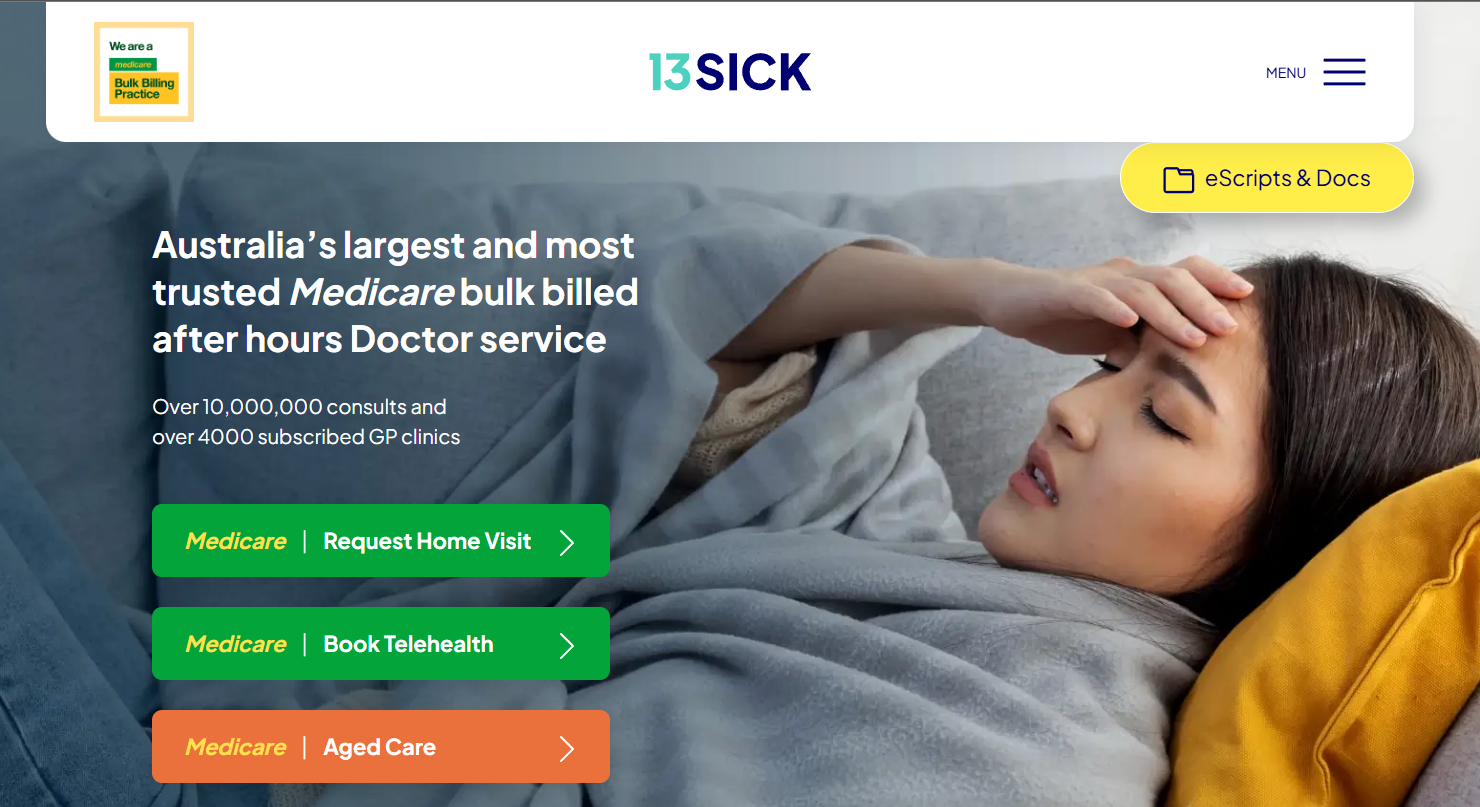
I was standing in line at Chemist Warehouse recently when I looked down and noticed a sticker on the floor: “Instant Consult – get your prescription now.” I watched the customer in front of me pull out her phone, go to the website, book an appointment, and receive a prescription, which she then presented to the pharmacist. I believe it cost her around $40.
We got chatting, and I mentioned that as a GP Registrar I work for a similar service. She asked whether it was cheaper. I replied, “Much cheaper. In fact, it’s free.” That caught the attention of a few other customers nearby. I explained that I work for 13SICK National Home Doctor Service (https://13sick.com.au/) , a Medicare-funded after-hours telehealth service, and that I recommend it to everyone. I was genuinely happy to recommend it, because word of mouth is essentially the only way patients find 13Sick. The service isn’t allowed to advertise; some patients find out from their own GPs, others from their friends and family. You’ll never see a 13Sick sticker on the floor of Chemist Warehouse — even though, as a service, I think it’s streets ahead of Instant Consult, Instant Scripts, UpDoc, and Hola Health.
It remind me of the old saying. You go to buy something, and they tell you that you can have it “Good, Cheap, or Fast - pick 2”. But 13Sick defies that idiom because it’s good, cheap, and fast.
In this series of articles, I’ll talk about why from my perspective as a Doctor, 13Sick is good for patients, and in later articles I’ll discuss why I enjoy working there as a GP Registrar.
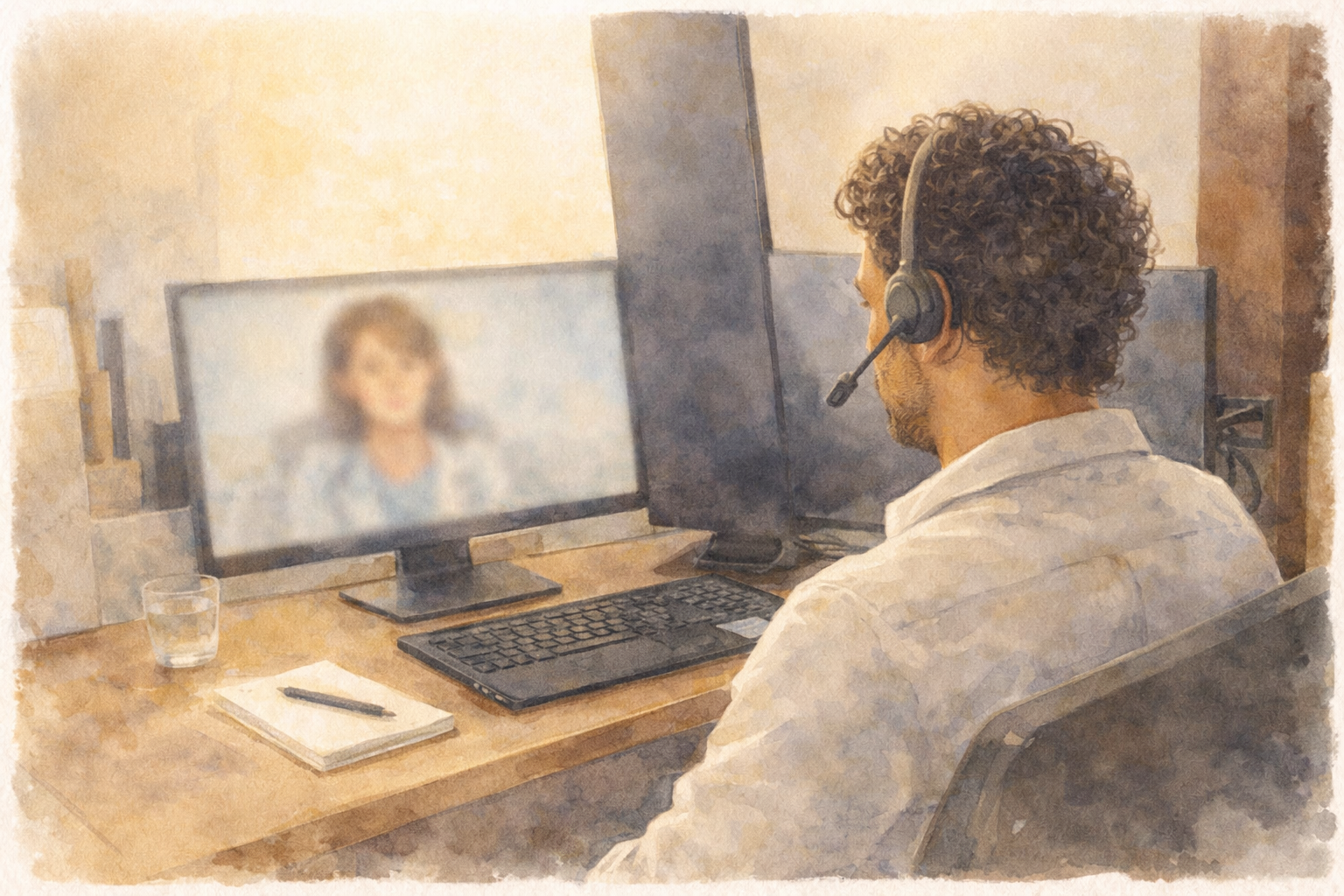
13Sick is a free, Medicare-funded after-hours GP service offering telehealth and, in some cases, home visits. It operates Australia-wide for eligible patients and is available when most regular GP clinics are closed (weekdays 6 pm–8 am, and throughout the day on weekends). There is never an out-of-pocket cost. In very simple terms, a patient goes to the 13Sick website, requests a telehealth appointment, and provides some basic information about why they need to be seen. The patient is then placed in a queue, given an estimated wait time, and once a doctor picks up the consult, the doctor calls the patient directly.
The process is straightforward and designed to work even for people who are not particularly tech-savvy. Patients who cannot use the website can even call a phone number and have the dispatcher organise the appointment for them. I’ve had many patients who were incapable of even using a cameraphone, for whom 13Sick was perfect because they make one phone call to organise the appointment and then receive a phone call in return.
13Sick is perfect for patients who need an appointment ASAP. Symptoms worsen overnight. Children spike fevers at 2 a.m. Pain becomes unbearable after dinner. People suddenly realise that something they’ve been ignoring all day doesn’t feel safe to put off any longer. In those moments, patients are often left choosing between waiting anxiously until morning or presenting to urgent care or an emergency department without really knowing whether that level of care is necessary.
I’m a GP Registrar currently working in south-west Victoria. I used to work for a 24 hour urgent care centre, where I was the GP on call. When a patient presented at 2AM, I received a phone call waking me up and calling me in. While I was always willing (sometimes begrudgingly) to see patients in the middle of the night in urgent care or ED, I noticed that many of them could have been safely managed over the phone without ever leaving their beds. In general, if I am called in the middle of the night about a patient, I much prefer that the patient has spoken with 13Sick before I’m woken. In fact, there is not much difference between my prior role as an Urgent Care GP Registrar and 13Sick, except that I can work from home with 13Sick.
With My Health Record, SafeScript, the 13Sick “Davinci” medical record software, and continually improving webcam quality, telehealth has never been a stronger or safer medium. Decades of research show that around 80% of medical diagnoses are made primarily from a careful history (Hampton et al., BMJ (1975)), which strongly favours a structured after-hours telehealth service like 13Sick, especially when video adds visual examination elements and information can be gathered from the patient’s medical records.
From the patient’s perspective, a lot can be achieved through this interaction. During an after-hours consultation, we can assess new symptoms, review existing conditions that have worsened, prescribe medications where appropriate, arrange referrals, order blood tests or imaging, and give clear advice about what to do next. In some circumstances, home visits are also available for patients who genuinely need an in-person assessment, although I believe patients should be encouraged to try telehealth first before deciding they need a face-to-face review. Most importantly, the consultation provides guidance about the next steps the patient should take.
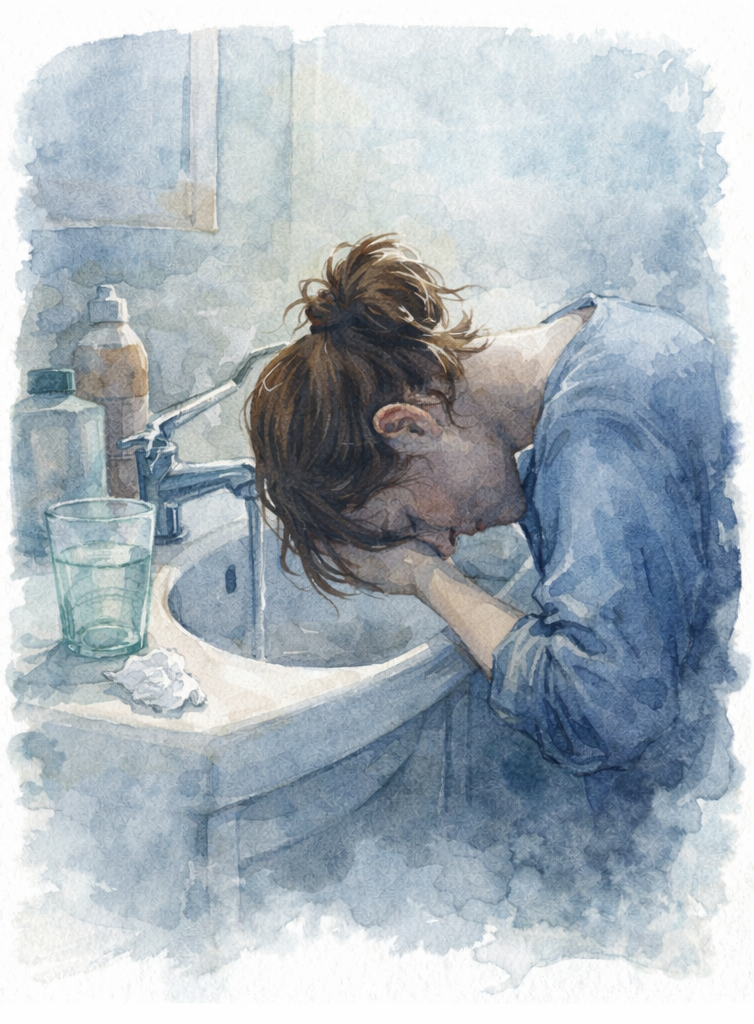
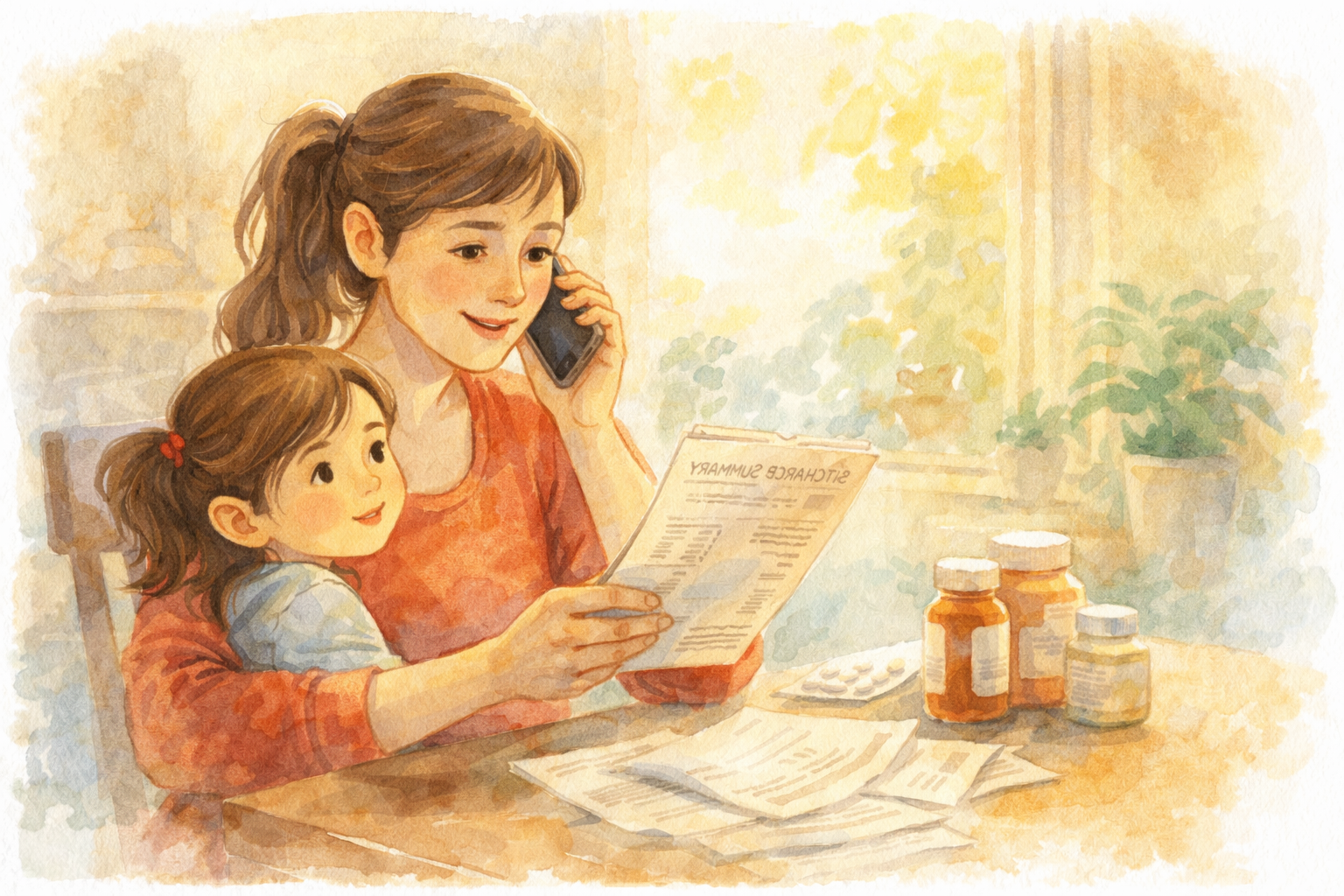
I see this play out in very concrete ways. Parents call because a child has developed a fever overnight and isn’t behaving normally. Adults call with rapidly worsening skin infections, joint pain from a flare of pre-existing gout, or post-operative symptoms that don’t feel right. Many patients with gastrointestinal symptoms like nausea, vomiting, and diarrhoea simply need ondansetron so they can rehydrate. These issues can often be completely managed with a single telehealth appointment. When hospital care isn’t required, a note is generated so the patient’s regular GP receives a summary of the consultation — often essential in flagging that the patient needs extra attention and a closer look at their next in-person appointment.
In other cases, I’m identifying red flags and directing the patient to emergency care with a clear explanation of why that step matters. In those situations, the patient is provided with a detailed referral letter that they can show to the emergency department, saving time and avoiding the need for the assessment to be started from scratch.
That’s why I recommend 13Sick so readily— to friends, family, and patients alike.
It’s particularly valuable for parents, people without easy access to a regular GP, travellers, backpackers, shift workers, and anyone who finds themselves unwell after hours and unsure what to do next. It’s also helpful for people who simply want to get the ball rolling on a health issue rather than letting it linger.
From what I see every day, 13Sick is a quiet and rarely mentioned public service that provides real reassurance and practical care at exactly the moments patients need it most. Despite how good the service is, many Australians still don’t realise it exists!
In Part 2 of the article, I’ll describe my experience as a GP Registrar being onboarded and why I enjoy it.